


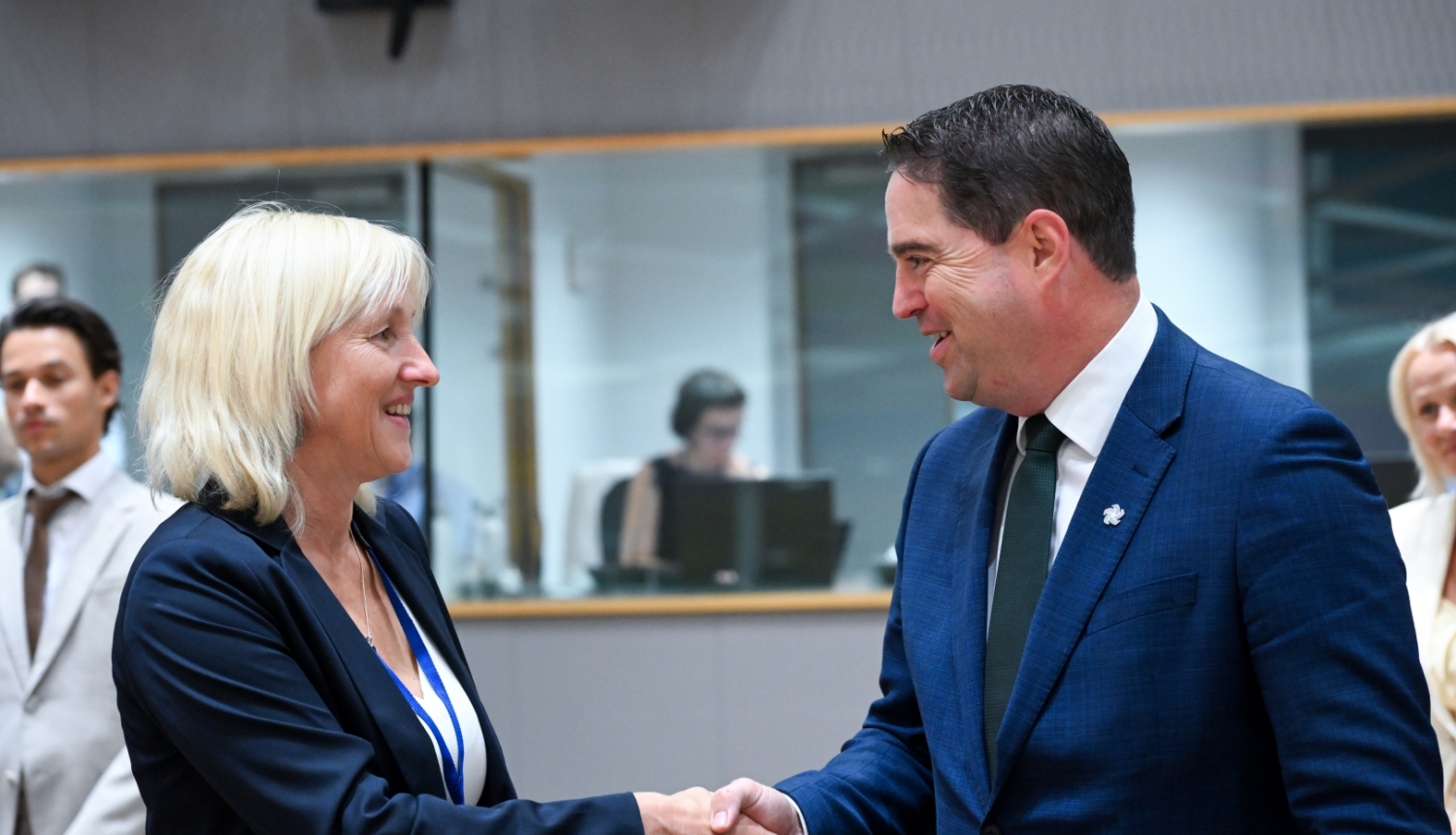
On Monday, July 13th, at the meeting of the EU Agriculture and Fisheries Council in Brussels, Latvia expressed support for the European Commission’s Livestock Strategy and Protein Action Plan, which aim to comprehensively strengthen and develop both sectors. Latvia stressed that when setting strategic objectives and measures at EU level, the main focus should be on strengthening the competitiveness of the livestock sector, improving biosecurity, developing protein production in the EU and ensuring fair competition with producers from third countries. The success of the Strategy and Action Plan will depend on the availability of funding and balanced requirements that can be implemented in practice. Latvia was represented in the discussions by Acting State Secretary of the Ministry of Agriculture Liene Jansone.
The livestock sector is important not only for food production and the economy, but also for maintaining viable rural areas. For Latvia, this is particularly important in the context of its eastern border regions. When introducing new animal welfare, environmental and climate requirements, it is also important to take into account the livestock sector’s ability to adapt, regional circumstances and the availability of funding. Sufficient transition periods must also be provided to allow farms to adapt to the new requirements.
Although the Livestock Strategy sets out long-term solutions for the sector’s development, Latvia stressed at the meeting that swift short-term solutions are also needed to address current challenges. Given the difficulties currently facing the pig sector due to overproduction, Latvia considers urgent EU-level measures necessary to stabilise the situation.
Discussing the Protein Action Plan, Latvia expressed support for developing the cultivation and processing of protein crops in the EU as a competitive and resilient sector. Increasing EU protein production would reduce dependence on imports while providing an important foundation for the EU livestock sector.
During the discussion on international trade, Latvia expressed disappointment that, five years after Russia’s full-scale invasion of Ukraine, the EU has still been unable to agree on stricter import restrictions on fish and fishery products from Russia and Belarus.