


Latvia, Estonia, Lithuania, Finland, and Sweden have sent a joint letter to the European Commission’s (EC) Directorate-General for Agriculture and Rural Development, calling for a proportionate approach to controls and audits in the implementation of the Common Agricultural Policy (CAP).
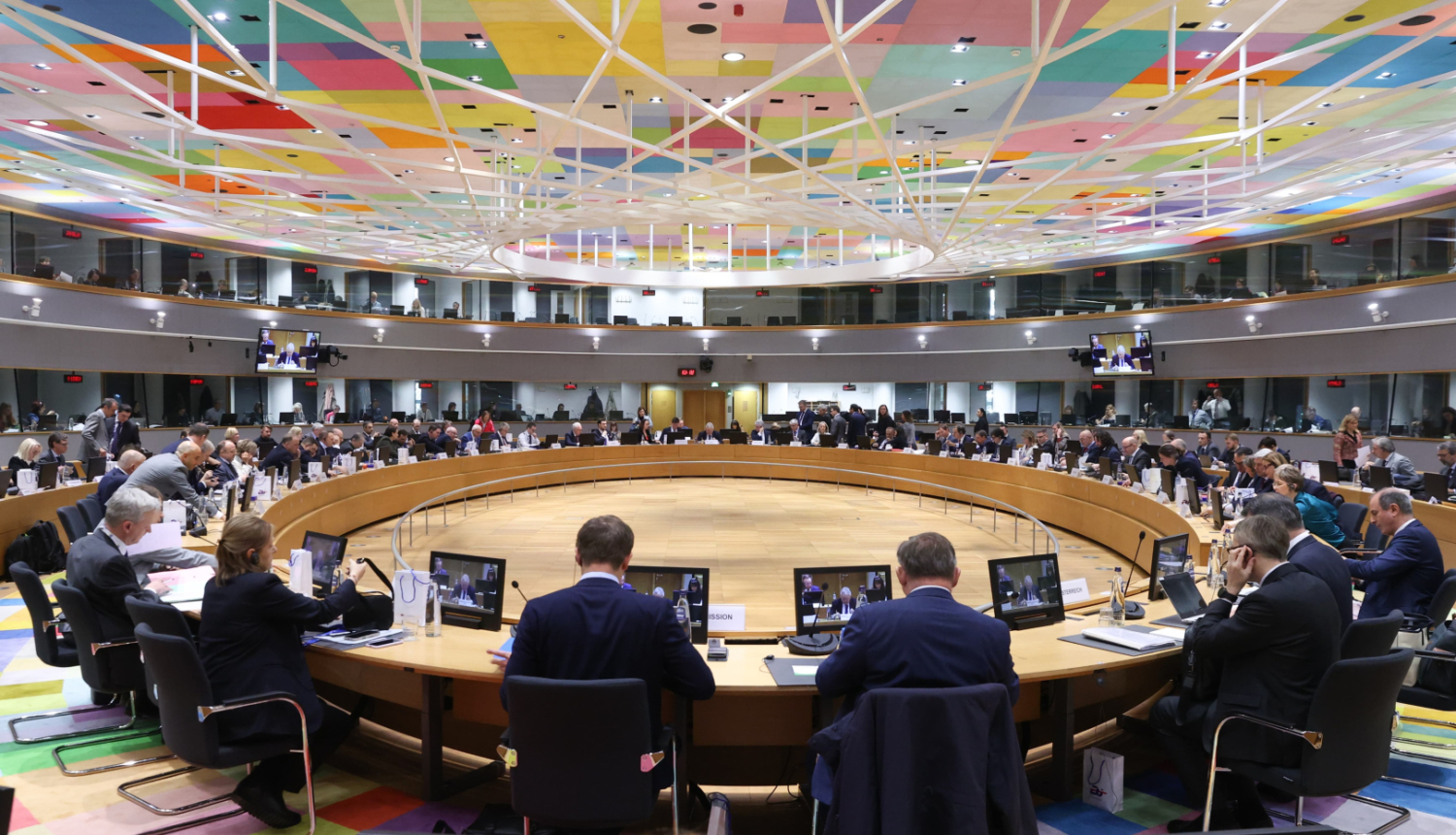
The letter follows the discussion on the excessive EC audit approach initiated by Minister for Agriculture Armands Krauze and ministers from the other Baltic and Nordic countries at the meeting of the EU Agriculture and Fisheries Council on February 23rd. The topic gained broad support from other Member States, and European Commissioner for Agriculture and Rural Development Christophe Hansen confirmed that a dedicated high-level meeting would be held to address the issue.
In the letter, the Member States state that where a Member State has a well-functioning management and control system, the EC should apply a proportionate audit approach. They also draw attention to the objective challenges faced in the first years of implementing the CAP Strategic Plans for 2023–2027. The new CAP was implemented under complex circumstances – several new and complex systems were introduced at the same time, deadlines were short, and EC's explanations and guidelines were often provided late. Additional pressure was also created by farmers’ expectations and the need to adapt to the new conditions for receiving support and the supervision requirements.
A particularly difficult situation arose with the introduction of new climate, environmental and animal welfare interventions, including eco-schemes. Member States were encouraged to develop ambitious support measures, while farmers and administering authorities had to adapt to new eligibility, supervision, and monitoring requirements.
In the letter, the Member States call on the EC to ensure a proportionate and risk-based approach in the CAP control and audit system. Latvia and the other Member States emphasise that EC guidelines are often highly detailed, thay are regularly clarified or changed, and in practice become an additional layer of requirements that goes beyond the framework set out in the basic regulation. This increases the administrative burden on Member States and creates legal uncertainty.
The letter also raises concerns about the application of the quality assessment system. Although its aim is to promote self-assessment and system improvements, in practice, it is often used as a basis for possible financial corrections, particularly in the first years of implementation, when systems are still being improved.
In the joint letter, the Member States call on the EC to review the scope and application of guidelines, ensure timely methodological support, and apply a proportionate approach in control and audit processes. The Member States emphasise that the control system should support the achievement of CAP objectives and farmers’ participation in support mechanisms, rather than increase the administrative burden.