


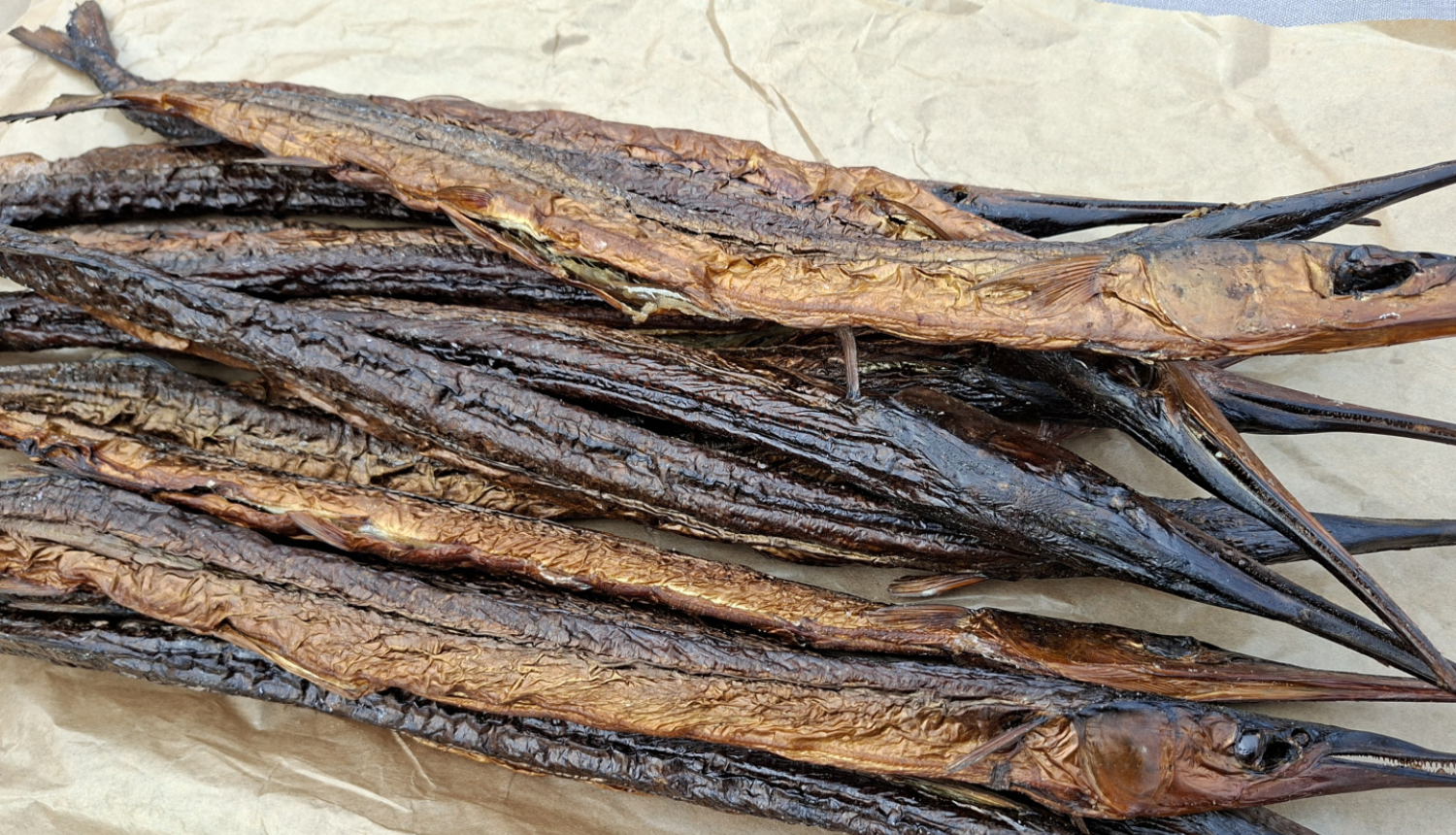
In a letter to EU Commissioner for Health and Animal Welfare Olivér Várhelyi, Minister for Agriculture Armands Krauze has called on the European Commission (EC) not to rush changes to the requirements for smoked fish products before the European Food Safety Authority (EFSA) has completed its assessment of the safety of conventionally smoked food products.
Although Latvia has succeeded in convincing the EC to maintain the current limits for traditional smoked products popular among Latvian consumers, Latvia does not support the amendments to the EC Regulation in their current form, as they would impose a significant cost burden on conventional fish product manufacturers who have planned their operations based on the existing EU requirements. The changes would increase uncertainty in the sector and run counter to the EC’s objective of supporting successful economic activity.
“The interests of Latvian producers in Europe must be defended in a timely and persistent manner. We support food safety, but requirements must be clear, proportionate and based on complete data. It is not right to take a decision that will have a significant impact on the sector before data collection has been completed and the European Food Safety Authority has delivered its assessment. Latvian producers have invested time, effort and financial resources in adapting their operations to the rules currently in force. We must not suddenly change deadlines and conditions based solely on incomplete data and rushed conclusions. European regulation must be predictable,” emphasises Minister for Agriculture Armands Krauze.
Latvia has previously made it clear at various levels of EU discussions that the review of requirements for conventionally smoked food products should be postponed at this stage. EFSA’s assessment has not yet been completed, and additional data collection on these products will continue until the end of 2028. Moreover, producers are already planning and adapting their operations on the basis of the previously established transitional period, which for processed fish and fishery products runs until July 1st, 2029.
Latvia also considers it unacceptable that an exemption from the maximum permitted levels of polycyclic aromatic hydrocarbons is envisaged for conventionally smoked meat products containing smoked paprika, while equivalent arguments put forward by Latvia concerning conventionally smoked fish products have not been taken into account.
“This is not an issue concerning only a specific group of products. Traditionally smoked food products are part of the culinary heritage of Latvia and other EU Member States. They have a distinctive taste and aroma that consumers recognise and appreciate, and demand for such products remains stable in Latvia. Our task is to reduce legal uncertainty and defend the ability of Latvian producers to continue producing high-quality products valued by consumers,” emphasises Minister for Agriculture Armands Krauze.
Latvia is calling on the EC not to rush the adoption of the new requirements in their current form and to extend the transitional period until July 1st, 2029. This would give producers a reasonable timeframe to adapt to the requirements while ensuring that decisions are taken on the basis of complete information.