


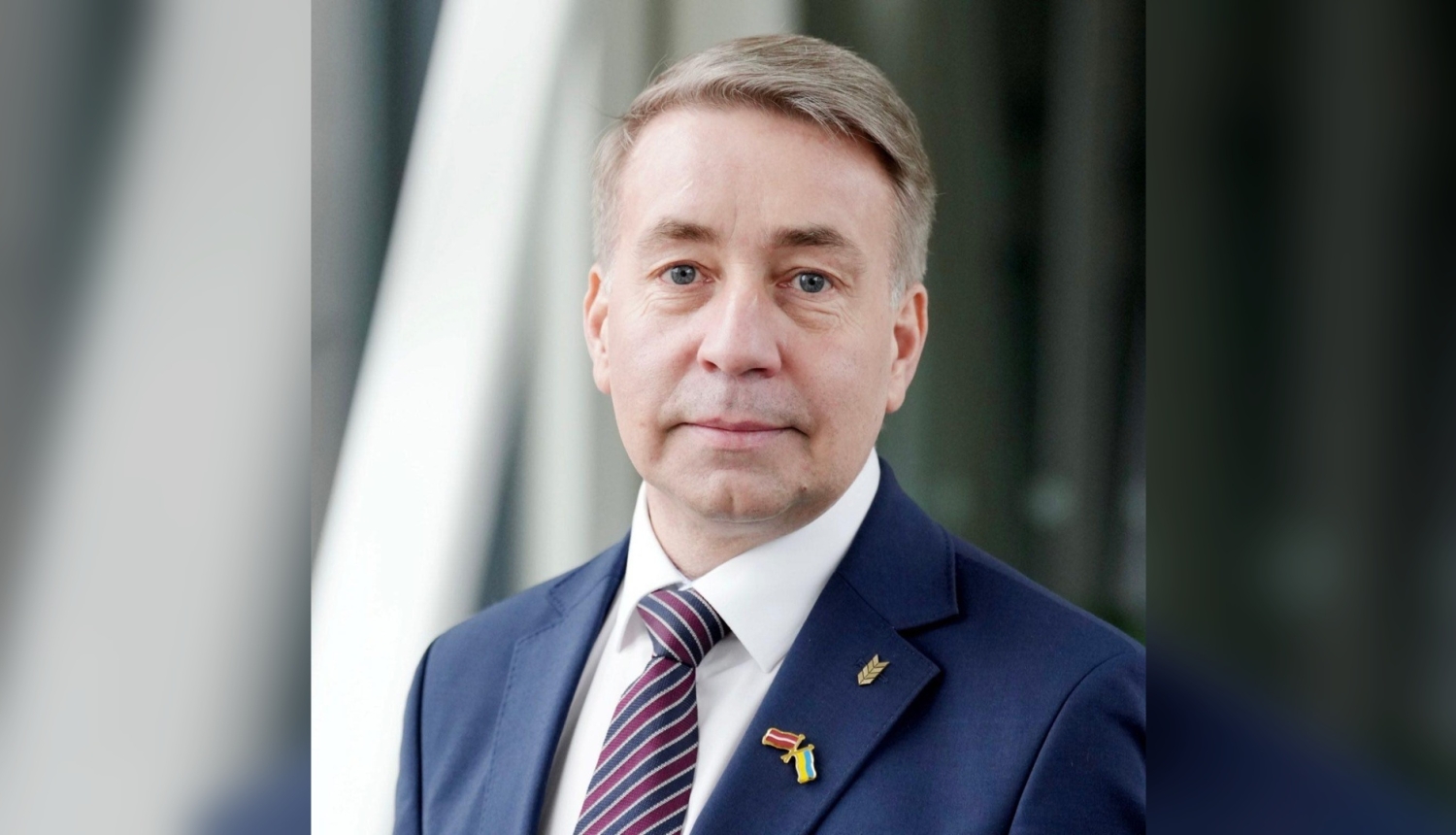
Minister for Agriculture Uldis Augulis has set the Ministry of Agriculture’s key priorities for the near future: representing Latvia’s interests in EU negotiations, strengthening the capacity, resilience and competitiveness of farmers and fishers, including the reduction of the administrative burden, as well as improving forest sector governance.
Several support programmes are planned to be launched this summer to help farmers develop their farms, introduce innovations and start or expand their businesses.
Particular attention will also be paid to representing Latvia’s interests in the EU by advocating for fair Common Agricultural Policy funding and a level playing field among Member States. The Ministry will also continue its efforts to prevent additional costs for farmers arising from the application of the EU Carbon Border Adjustment Mechanism to mineral fertilisers.
“Agriculture is a sector where risk is part of everyday life – drought, excessive rainfall and other climatic conditions directly affect both harvests and food price stability. It is essential for Latvia to ensure a level playing field with other EU Member States, particularly with regard to direct payments. At the same time, we must strengthen our sectors, increase the production of added-value products, improve resilience to crises and support the growth of both new and existing businesses,” said Minister for Agriculture Uldis Augulis.
Reducing the administrative burden will also be a key priority. Regulations governing agriculture, forestry and the food supply chain are planned to be simplified, while the introduction of digital solutions and the transition to risk-based supervision will continue.
To strengthen the domestic market, controls on the origin and quality of imported food products are planned to be stepped up from this autumn. At the same time, work will continue to restrict imports of food, agricultural and fishery products originating from Russia and Belarus.
In the forest sector, a sustainable management policy will be implemented, with particular emphasis on attracting investment and planning the sector’s development in order to strengthen its competitiveness and support its long-term growth.